
Jingdezhen’s Historic Porcelain Sites Join the World Heritage List
On July 25, 2026, the World Heritage Committee added Jingdezhen’s historic porcelain industry sites to the World Heritage List, a major moment for Jingdezhen porcelain heritage.
The official Chinese name of the inscription is “景德镇手工瓷业遗存”. It recognises a historic porcelain industry system that developed in Jingdezhen between the 10th and 19th centuries. The property includes five component areas, from production centres and kiln sites to sources of porcelain clay, stone and kiln fuel.
This is a World Heritage inscription. It recognises historic sites and an industry system, rather than a newly listed item of intangible cultural heritage.
Together, the sites help tell the story of how porcelain was made, moved and shared with the wider world. They trace more than finished objects: clay, glaze, forming, firing, labour, transport and trade all form part of the picture.
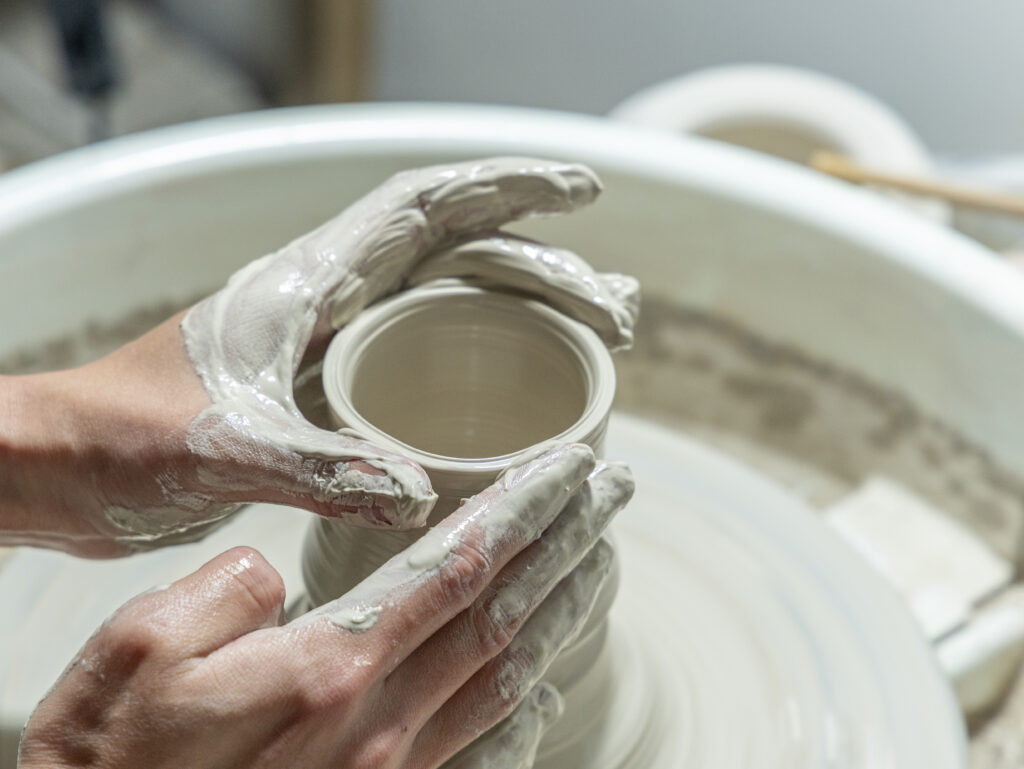
At Lychee Legacy, our work belongs to the present day. We are not part of the heritage inscription, but our team works in a city shaped by this continuing ceramic knowledge. We test glaze and color formulas, make pieces by hand, fire them, and keep refining the results.
That process is one reason Jingdezhen remains so compelling. Its ceramic culture is not only held in historic sites. It also continues through material knowledge, visual experimentation and the everyday work of making.
As we build Lychee Legacy, we remain interested in making porcelain for everyday living while learning from the place where we work: its history, its makers and its ongoing culture of experimentation.
Source: National Ethnic Affairs Commission of the People’s Republic of China, citing Xinhua, published July 28,